

Web Design
Shopify Store Development
Shopify store development for brands that want to sell online without running servers. Store setup, theme customization, products, payments and shipping, set up for the markets you sell in.
Order
What to send for a quote
- Roughly how many products you sell✓
- The countries you ship to✓
- How your customers pay today✓
TotalQuoted
What it is
Your own store, not a page on someone else's
Shopify store development is the setup and design of an online store on Shopify, a hosted platform that runs the servers, security and checkout for you. It suits business owners who sell physical or digital products and want their own store rather than only a marketplace listing or an Instagram page.
If you take orders by WhatsApp or DMs today, a store gives buyers a real checkout and gives you one place to see orders and stock. Shopify is one of the build types under our web design services. Still weighing platforms? Our guide to Shopify vs WooCommerce compares the two.
- Product brands
- Social sellers
- Stores in more than one country
Why Shopify
What a Shopify store changes for a growing brand
Orders stop living in your inbox
Buyers check out on their own, and every order, payment and stock change lands in one dashboard instead of a chat thread.
No servers to look after
Shopify hosts the store and handles platform security and updates. Your job is products and customers, not plugins and hosting.
Room to sell abroad
Shipping zones, currencies and tax settings can be set per country, so selling in Pakistan, the US and the UAE from one store is a setup task, not a rebuild.
What's in a build
What Shopify store development should cover
A store that is ready to sell needs these six things in place. Scopes are compared on our website design packages page. Your quote lists exactly what's included, from the theme to the payment and shipping setup.
Store setup
Store details, domain connection, staff accounts and order notification emails in your brand's voice.
Theme customization
A well-built theme adapted to your brand: layout, colors, fonts and the product page structure, designed for mobile first. Custom sections only when a theme cannot do the job and there is a sales reason.
Product import
Products, variants, images and collections brought in from a spreadsheet or an old platform, with clean titles and URLs.
Payments, shipping and taxes
The payment methods your buyers expect, shipping zones and rates, and tax settings for each country you sell to.
Apps and policy pages
Only the apps you need, plus refund, shipping, privacy and terms pages that buyers and payment providers look for.
Tracking and upkeep
Analytics connected so you see visits, orders and sources. After launch, ecommerce SEO brings traffic and a maintenance plan keeps apps and the theme in check.
Before you go live
Store launch checklist
Most launch-day problems come from five areas. Every box below should be ticked before the store password comes off.
Payments
Where a store makes or loses the sale.
- Every payment method your buyers expect is on: cards, bank transfer, wallets or cash on delivery.
- A real test order placed, paid and refunded.
- Payouts reach the right business account.
- PK
- As of Oct 2026, Shopify Payments is not offered for Pakistan. Cards go through a third-party provider; cash on delivery and bank transfer are manual methods.
- US
- Shopify Payments is on Shopify's supported list.
- UAE
- Shopify Payments is on Shopify's supported list.
Shipping
Wrong rates eat the margin or lose the order.
- Shipping zones and rates set for every country you sell to.
- Product weights entered, so rates calculate correctly.
- A clear route from order to courier, including how cash-on-delivery orders are confirmed.
Taxes
Settings differ by market.
- Tax settings checked for each market with your accountant.
- Prices shown with or without tax, consistently.
- US
- Sales tax settings for the states where you collect.
- UAE
- VAT settings, and the currency shown at checkout.
Apps
Each app adds a bill and a script.
- Every installed app has a job a built-in feature cannot do.
- Trial apps you are not using removed before launch.
- The monthly cost of each app written down.
Policies
Buyers and payment providers look for them.
- Refund, shipping, privacy and terms pages published.
- Policy pages linked in the footer and at checkout.
- Contact details visible on every page.
This is a general checklist, not a list of services. Payment availability changes, so check Shopify's own list before you plan checkout.
Our work
Websites we have built
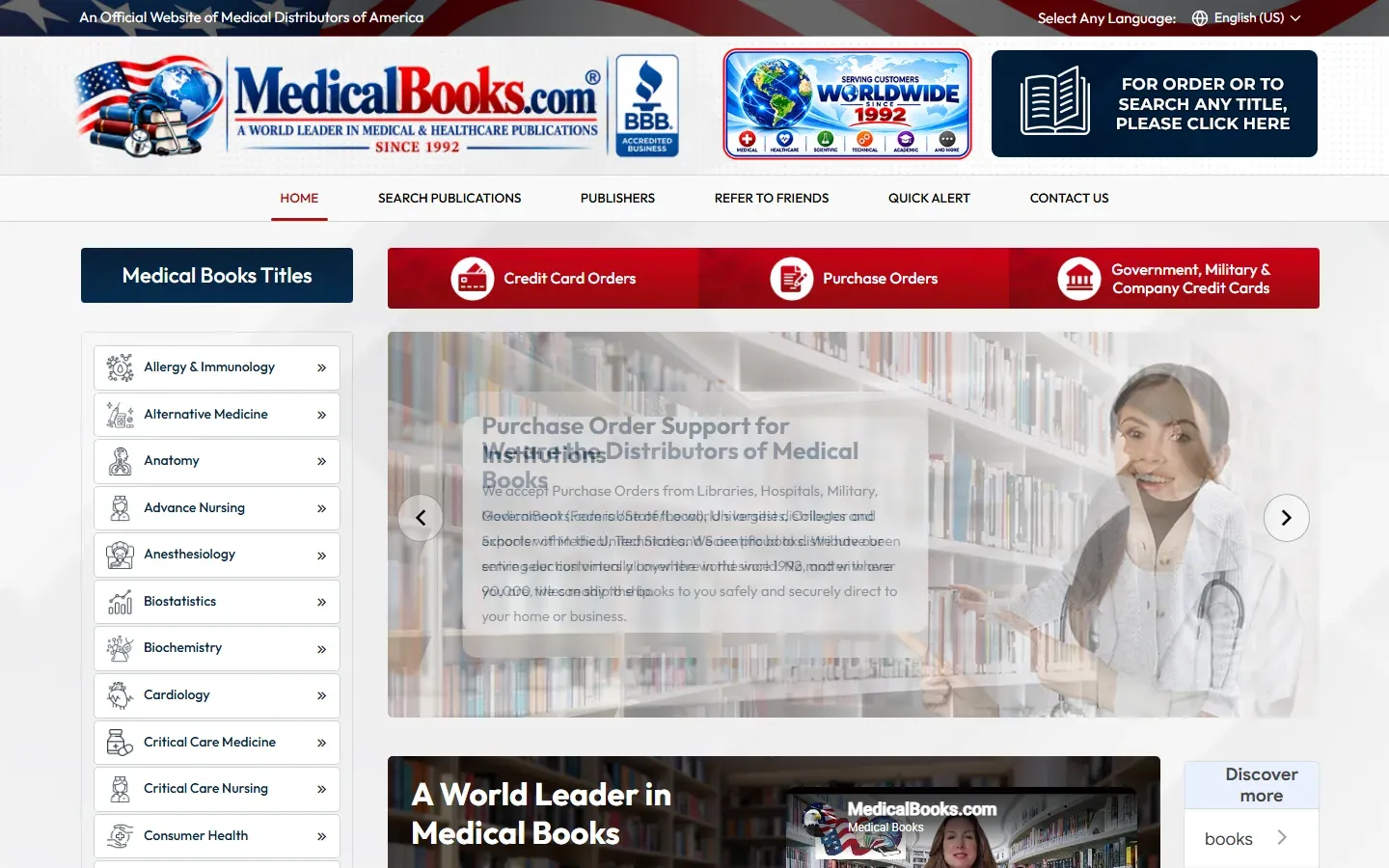
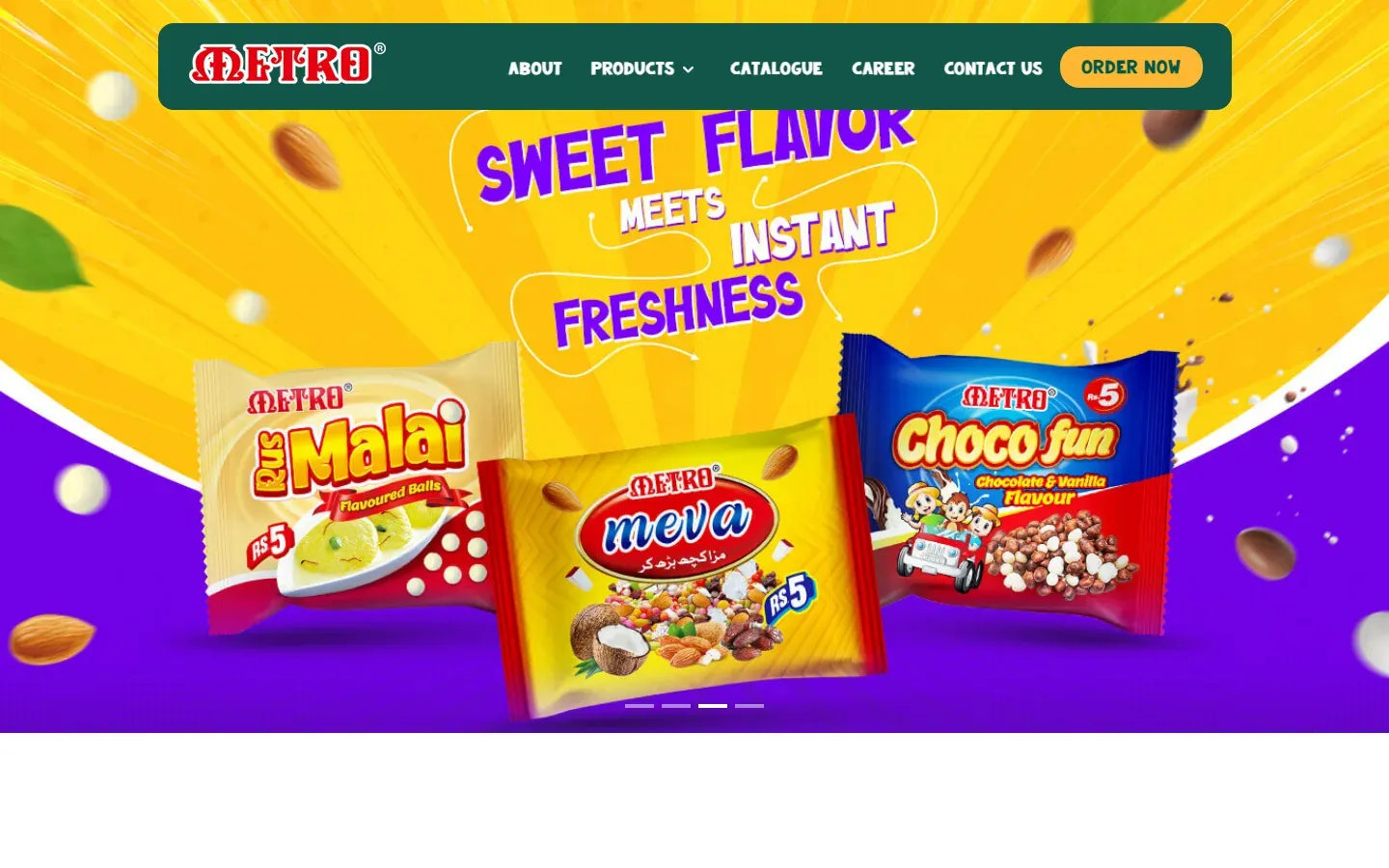
Recent sites we designed and built. Each one links to its case study.


Planning a Shopify store?
Send us your product count, where you ship and how customers pay. We reply with where we would start and a quote for that scope.
Get a quote
Request a Shopify quote
Tell us what you sell and where. Rough numbers are fine.
- Roughly how many products you sell
- The countries you ship to
- How your customers pay today
Shopify Stores: common questions
How long does it take to set up a Shopify store?
A store with a small catalog and a customized theme is quicker than one with hundreds of products, custom sections and several markets. Product data is usually the slowest part, so having it in a spreadsheet early saves the most time. We confirm the timeline when we scope your store.
Can a store move from WooCommerce or another platform to Shopify?
Yes. Products, customers and order history can be imported into Shopify, and old URLs can be redirected so Google results and links keep working. Customer passwords do not transfer, so customers are invited to activate their accounts. We can handle the move as part of your store build, and the quote lists what is migrated.
Do I need paid Shopify apps?
Not always. Many stores run on Shopify's built-in features plus a few apps. A paid app earns its place when a built-in option cannot do the job. Write down each app's monthly cost before installing it, because app bills add up quietly.
Can a business in Pakistan sell on Shopify?
Yes. The main limit is payments. As of October 2026, Shopify Payments, Shopify's own card processing, is not on Shopify's supported-countries list for Pakistan, so stores take cards through a third-party payment provider or use manual methods such as cash on delivery and bank transfer.
Who should own the Shopify account?
You should. The store account, the subscription and the app bills belong in your business's name. Shopify lets a developer work on a store through collaborator or staff access, so nobody needs your owner login. We set the store up in your name and work on it through collaborator access.
Does a Shopify build include SEO?
Basic on-page setup belongs in any store build: titles, meta descriptions, clean URLs and image alt text. Getting product and collection pages found in Google over time is a separate job, ecommerce SEO.